Shri Jwalamukhi Mata Shaktipeeth: The Eternal Flame Temple of Himachal Pradesh
Introduction
Nestled in the serene hills of Kangra district in Himachal Pradesh, Shri Jwalamukhi Mata Shaktipeeth is one of the most sacred pilgrimage destinations in India. Unlike traditional temples where devotees worship an idol, Jwalamukhi Temple is famous for its eternal flames that emerge naturally from the rock. These sacred flames are believed to represent Goddess Jwala Devi and have been worshipped for centuries by millions of devotees.
At SortMyTrip, we believe that some destinations offer much more than sightseeing—they provide spiritual experiences that stay with travelers forever. Shri Jwalamukhi Mata Shaktipeeth is one such destination where faith, history, mythology, and natural wonders come together to create an unforgettable journey.
Known as one of the 51 Shakti Peethas in India, the temple attracts devotees from across the country who come to seek blessings, witness the miraculous eternal flames, and experience the divine energy that surrounds the shrine.
The Mythological Significance of Jwalamukhi Shaktipeeth
According to Hindu mythology, the temple is associated with the legend of Goddess Sati and Lord Shiva. After Sati immolated herself during the yajna organized by her father King Daksha, a grief-stricken Lord Shiva carried her body across the universe. To restore balance, Lord Vishnu used his Sudarshan Chakra to divide Sati's body into multiple parts.
The places where these body parts fell became sacred Shakti Peethas. It is believed that Sati's tongue fell at Jwalamukhi, making it one of the most revered pilgrimage sites in Hinduism.
The eternal flames emerging from the temple are considered manifestations of the Goddess herself. Unlike other temples, there is no idol inside the sanctum. Instead, devotees worship the naturally occurring flames that symbolize the divine presence of Maa Jwala Devi.
History of Shri Jwalamukhi Mata Temple
The history of Jwalamukhi Temple dates back several centuries. Historical records suggest that the temple was discovered by Raja Bhumi Chand of the Katoch dynasty after receiving divine instructions in a dream.
Over time, the temple gained immense popularity among devotees and rulers. Mughal Emperor Akbar is also associated with the temple's history. According to local legends, Akbar visited the shrine to test the authenticity of the eternal flames. When all attempts to extinguish the flames failed, he acknowledged the divine power of the Goddess and offered a gold umbrella to the temple.
The temple has since become one of the most significant religious landmarks in Himachal Pradesh and continues to attract thousands of pilgrims every year.
Why Shri Jwalamukhi Mata Temple is Unique
What makes Jwalamukhi Temple truly extraordinary is the presence of eternal flames that have been burning continuously for centuries. These flames emerge naturally from cracks in the rock and are worshipped as different forms of the Goddess.
The temple houses several sacred flames, each associated with a particular manifestation of the divine feminine energy. The sight of these glowing flames within the sanctum creates a deeply spiritual atmosphere that leaves visitors mesmerized.
The temple's unique feature sets it apart from every other Hindu shrine in India and makes it a must-visit destination for pilgrims and travelers alike.
Architecture of Jwalamukhi Temple
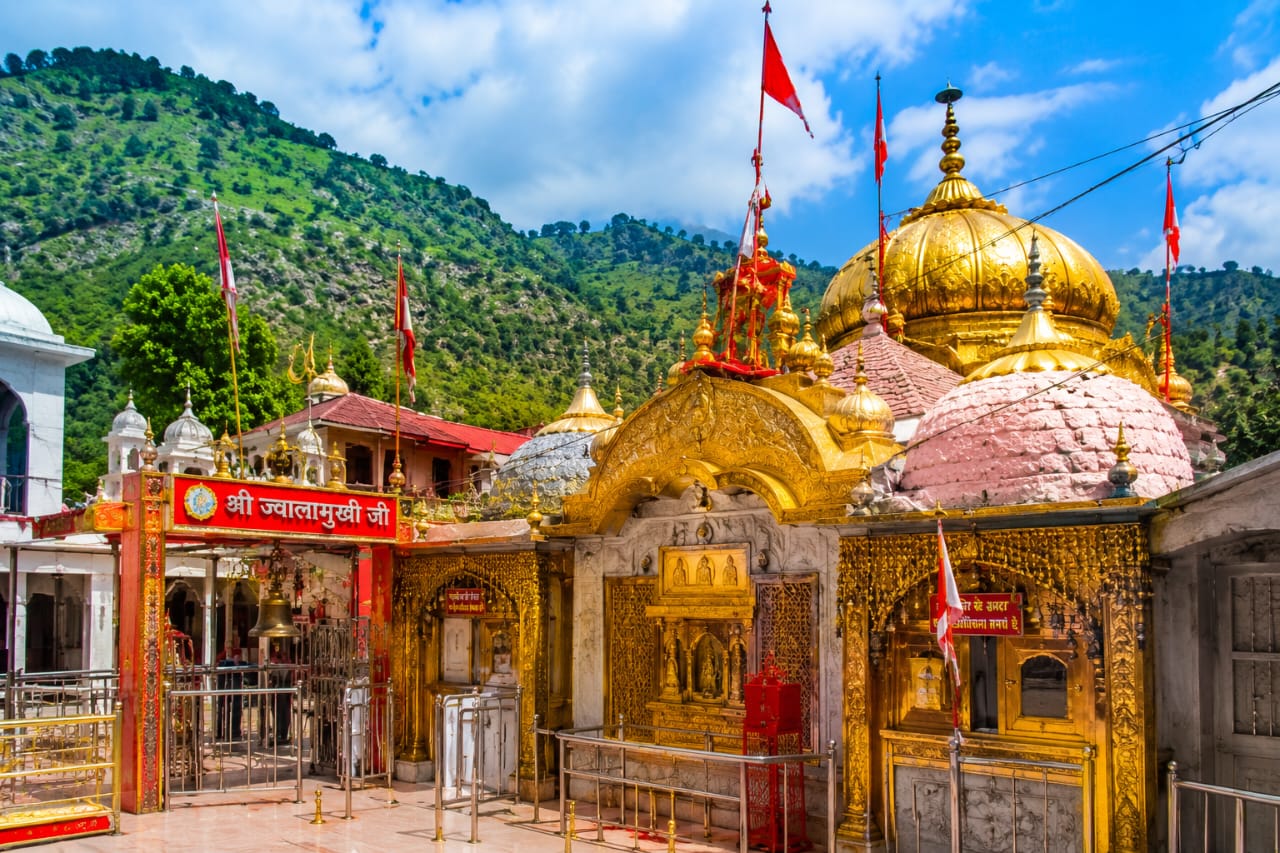
The temple showcases beautiful North Indian temple architecture combined with traditional Himachali influences. The golden dome, intricate carvings, and sacred courtyard create a majestic appearance.
Although the primary focus of worship is the eternal flame, the temple complex itself reflects centuries of devotion and craftsmanship. The peaceful surroundings, mountain views, and spiritual ambiance further enhance the experience for visitors.
Best Time to Visit Shri Jwalamukhi Mata Temple
The temple remains open throughout the year, but the best time to visit is between March and June and again from September to November.
During these months, the weather is pleasant, making travel and sightseeing comfortable. The temple witnesses large gatherings during Navratri, when special prayers and celebrations are organized.
Many devotees prefer visiting during Chaitra Navratri and Sharad Navratri, as these festivals hold immense religious significance.
How to Reach Shri Jwalamukhi Mata Temple
By Air
The nearest airport is Kangra Airport (Gaggal Airport), located approximately 50 kilometers from the temple. Visitors can hire taxis or private cabs to reach the shrine.
By Train
The nearest railway station is Jwalamukhi Road Railway Station, which connects the region with major towns and cities. Pathankot Railway Station is another convenient option for travelers coming from different parts of India.
By Road
Jwalamukhi Temple enjoys excellent road connectivity with major cities in Himachal Pradesh and neighboring states. Regular buses and taxi services operate from Dharamshala, Kangra, Palampur, Chandigarh, and Pathankot.
At SortMyTrip, we can help travelers arrange comfortable transportation and customized pilgrimage packages for a hassle-free experience.
Things to Do at Jwalamukhi Temple
Witness the eternal flames that symbolize the divine presence of Maa Jwala Devi.
Participate in the temple aarti and experience the spiritual atmosphere.
Explore the temple complex and learn about its fascinating history and mythology.
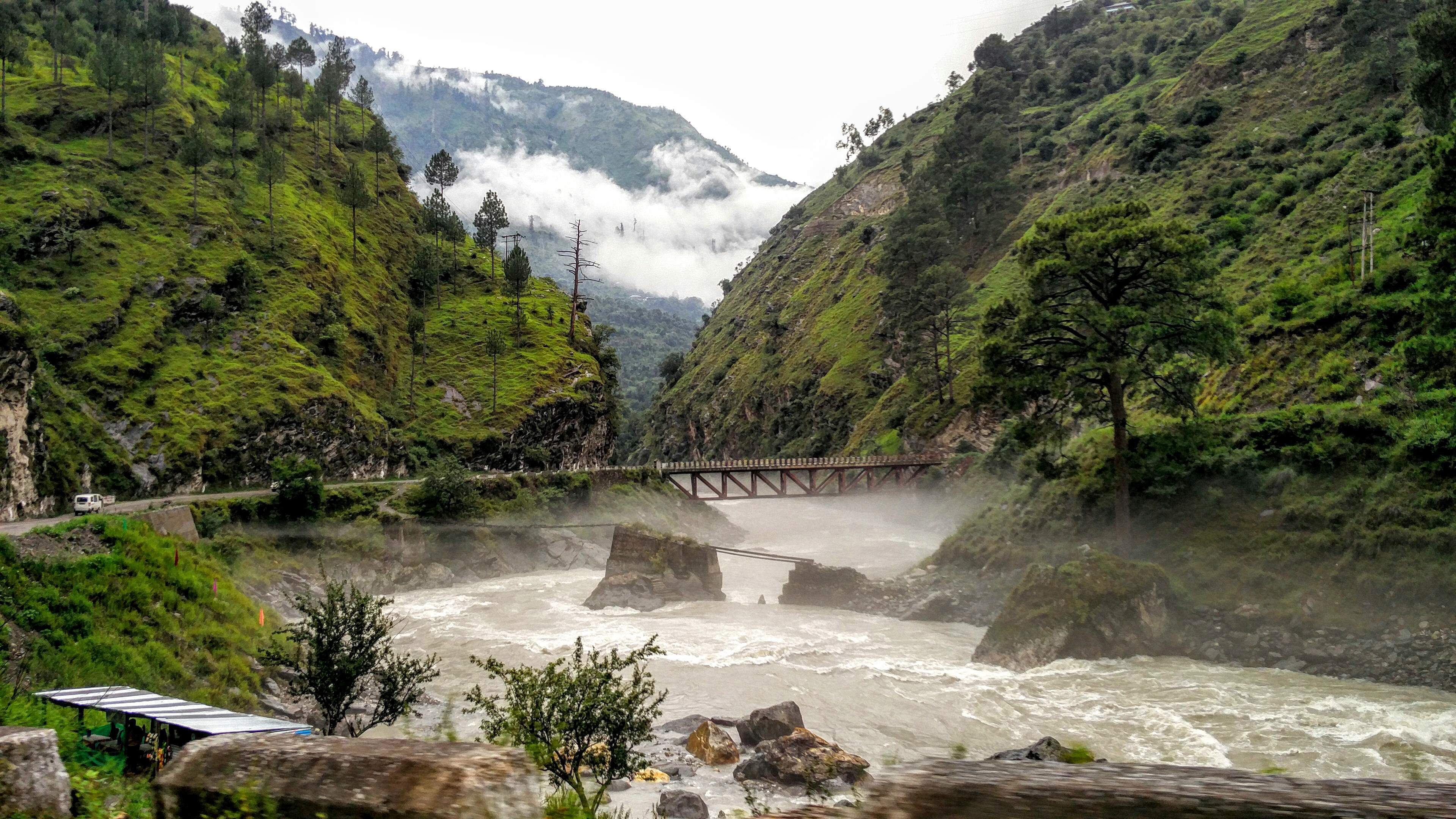
Enjoy the scenic beauty of the surrounding Kangra Valley.
Capture beautiful photographs of the temple and mountain landscapes.
Travel Tips for Pilgrims
Wear modest and comfortable clothing while visiting the temple.
Carry drinking water and essential travel items.
Visit early in the morning to avoid long queues during peak seasons.
Respect temple customs and maintain cleanliness within the premises.
Plan accommodation and transportation in advance during Navratri festivals.
Conclusion
Shri Jwalamukhi Mata Shaktipeeth is not just a temple; it is a symbol of unwavering faith, divine energy, and spiritual heritage. The eternal flames, rich mythology, historical significance, and peaceful surroundings make it one of the most important pilgrimage destinations in India.
Whether you are seeking spiritual blessings, exploring India's sacred heritage, or discovering the hidden treasures of Himachal Pradesh, a visit to Jwalamukhi Temple promises an unforgettable experience.
At SortMyTrip, we are dedicated to helping travelers explore meaningful destinations that create lifelong memories. Plan your pilgrimage to Shri Jwalamukhi Mata Shaktipeeth with SortMyTrip and experience the divine presence of Maa Jwala Devi like never before.