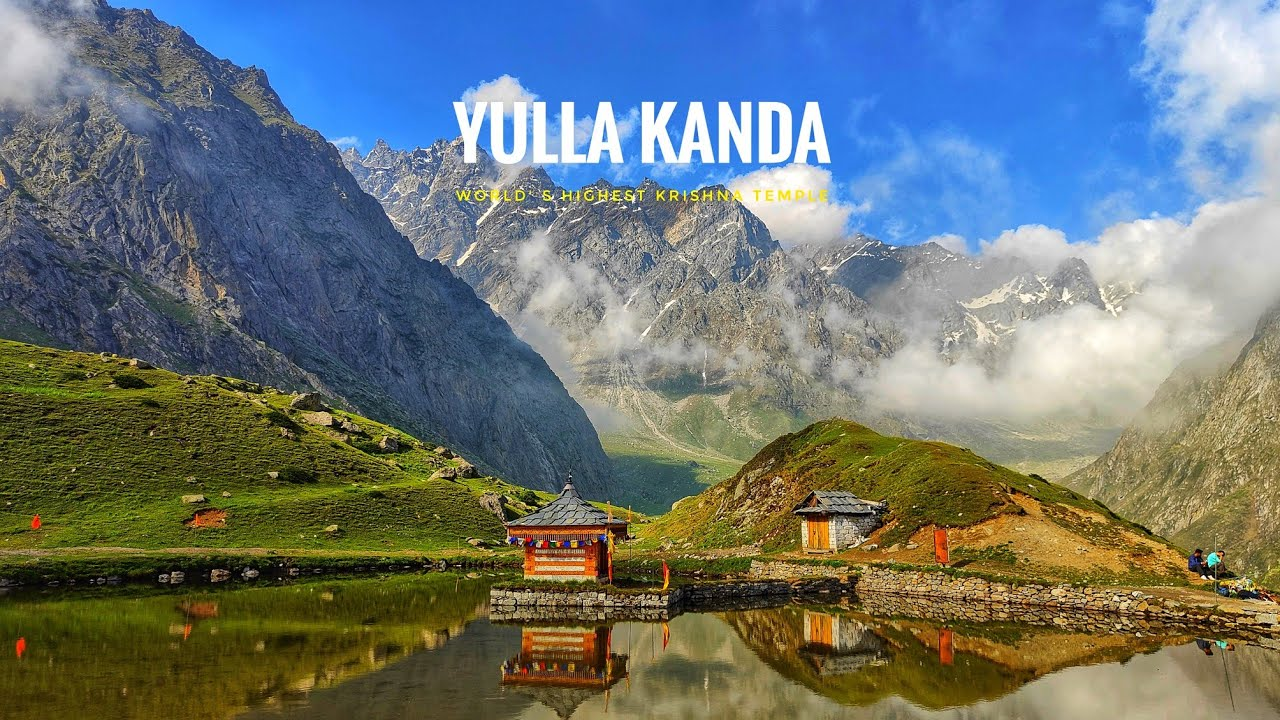
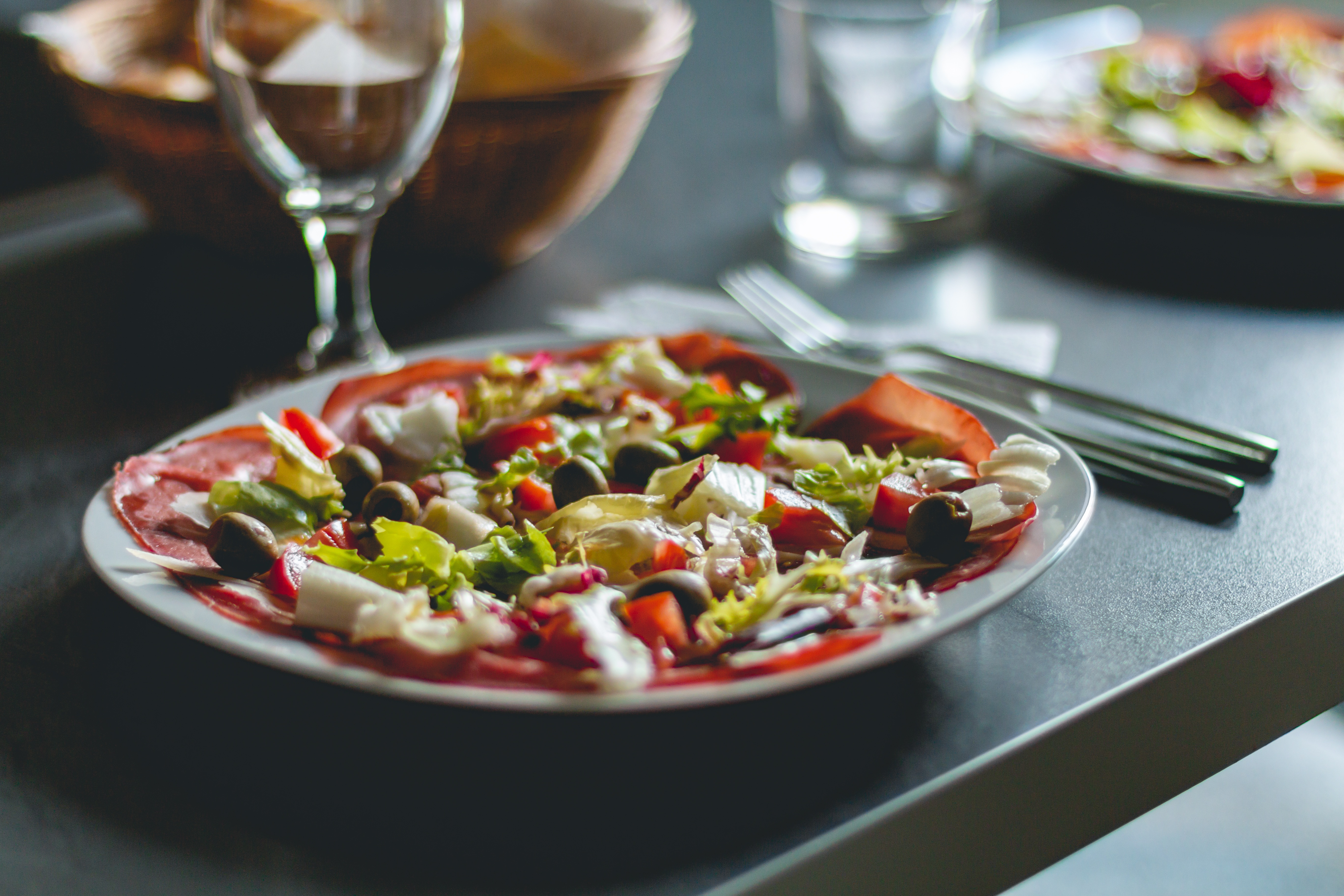
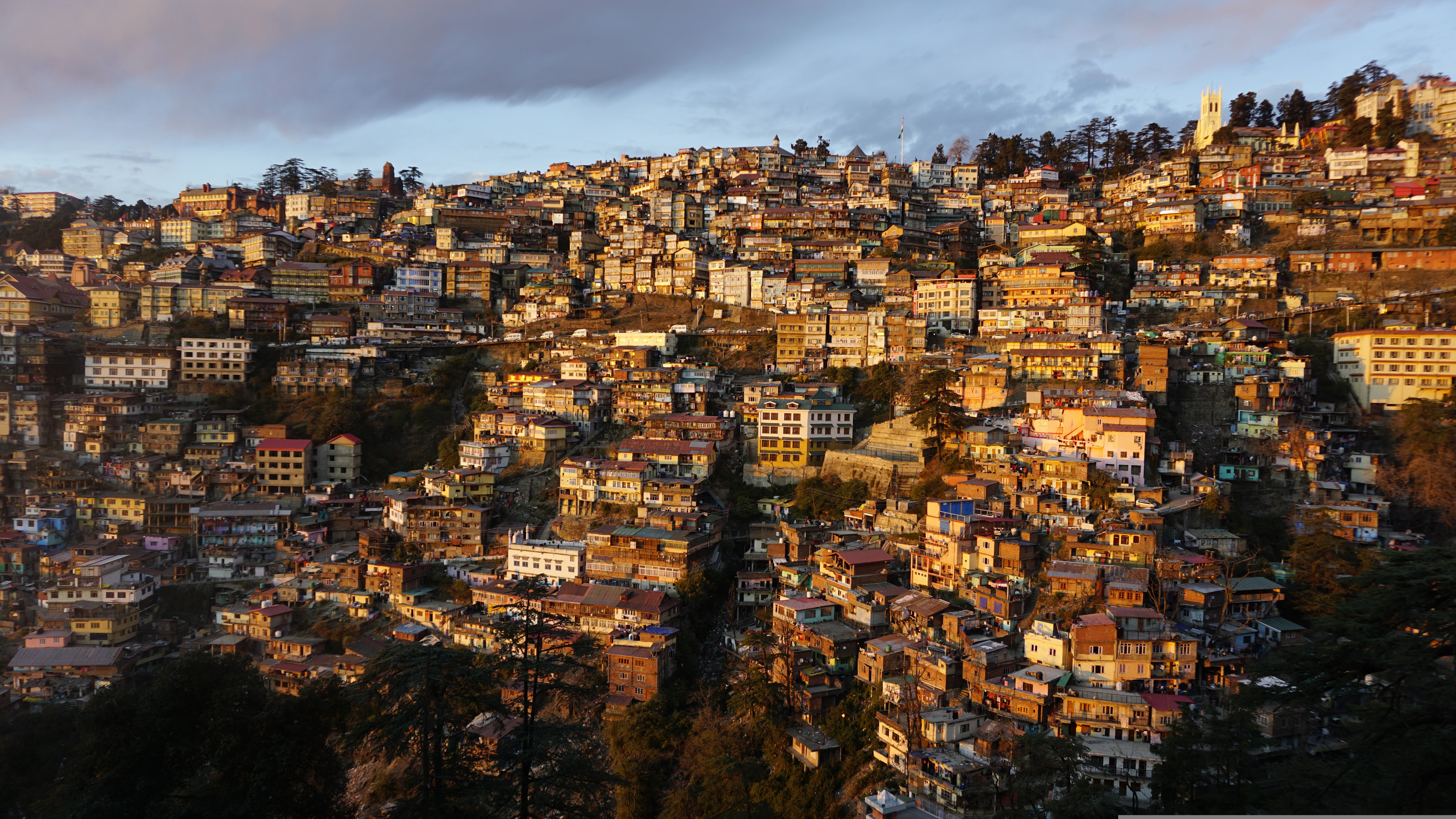
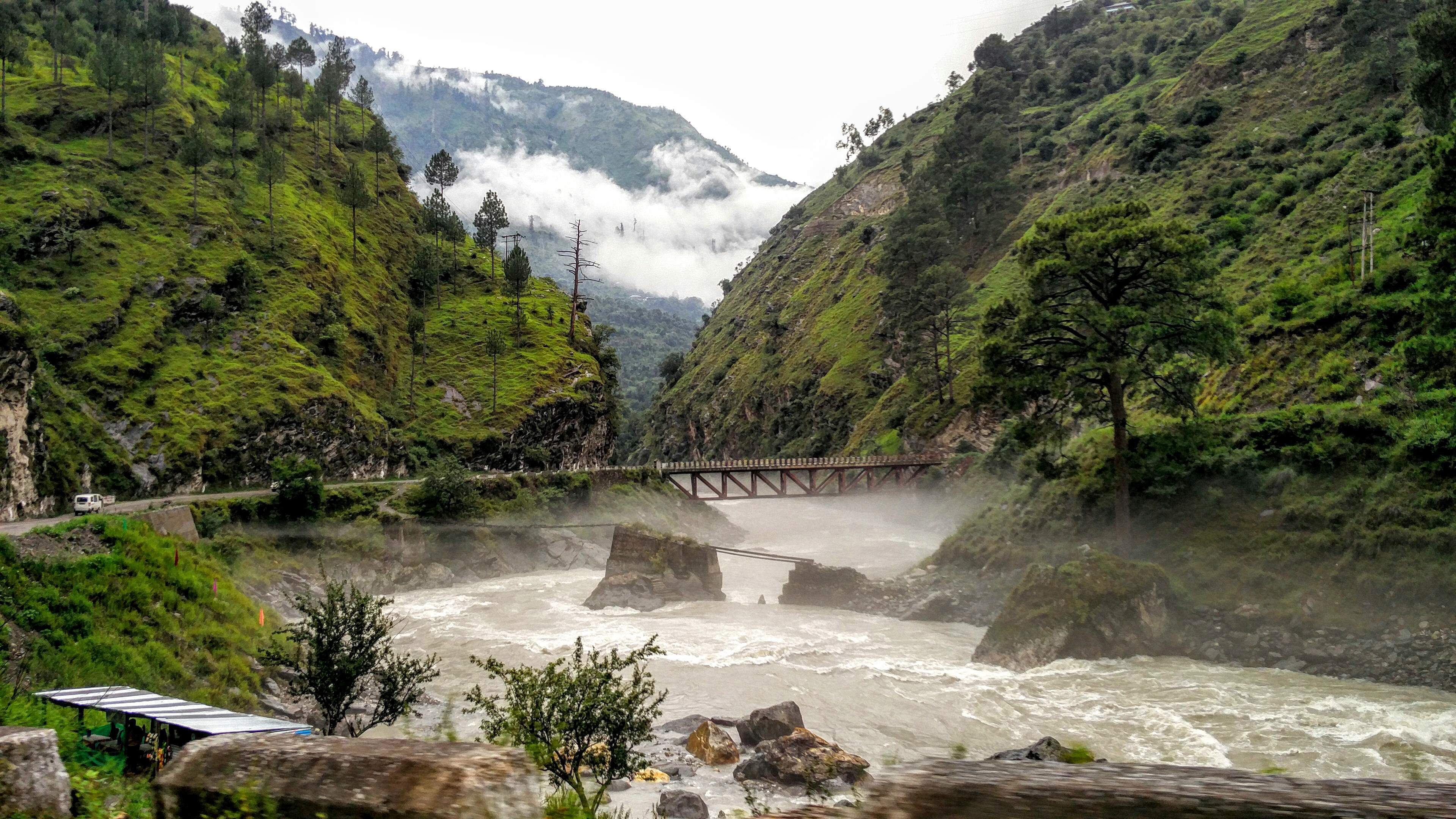
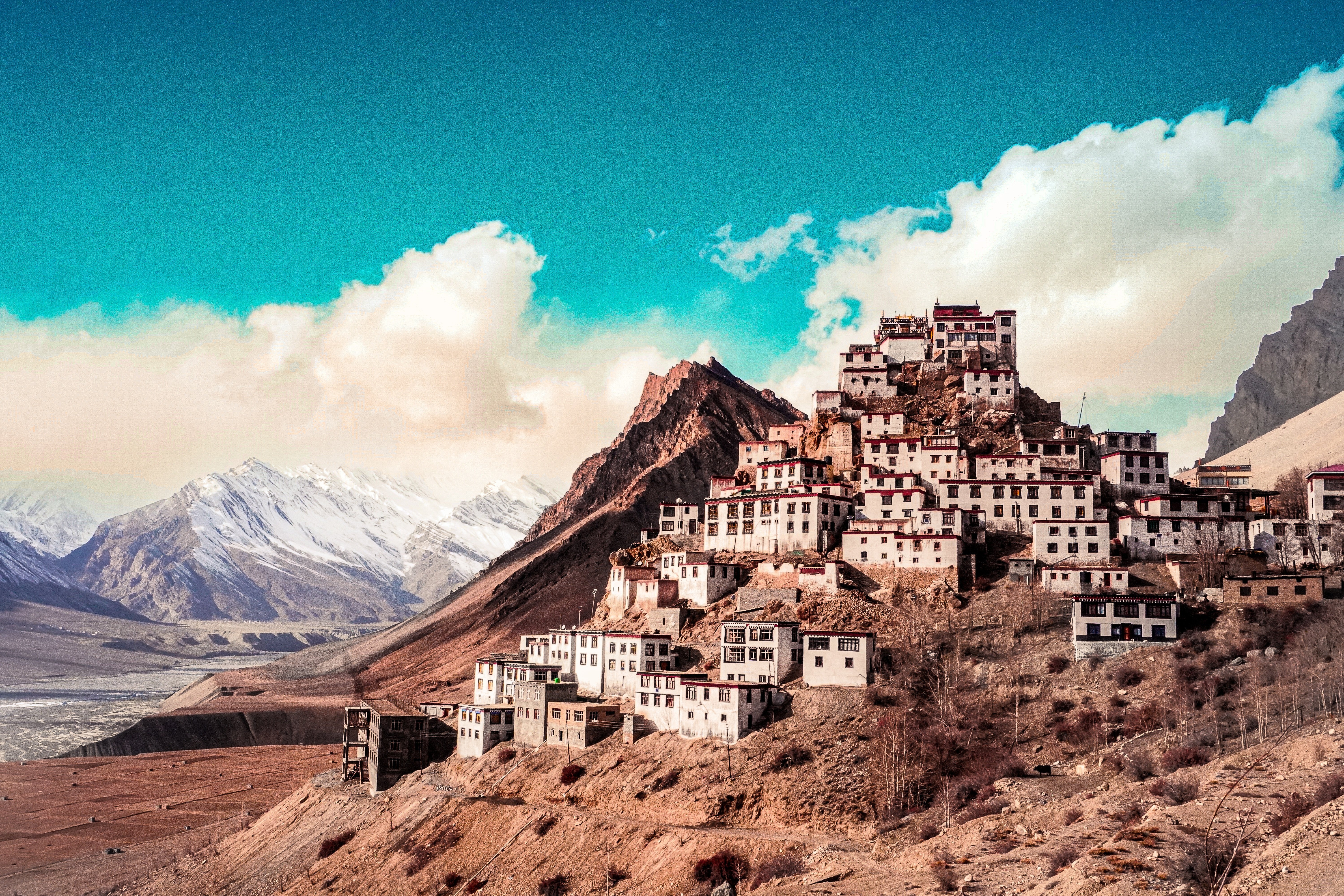
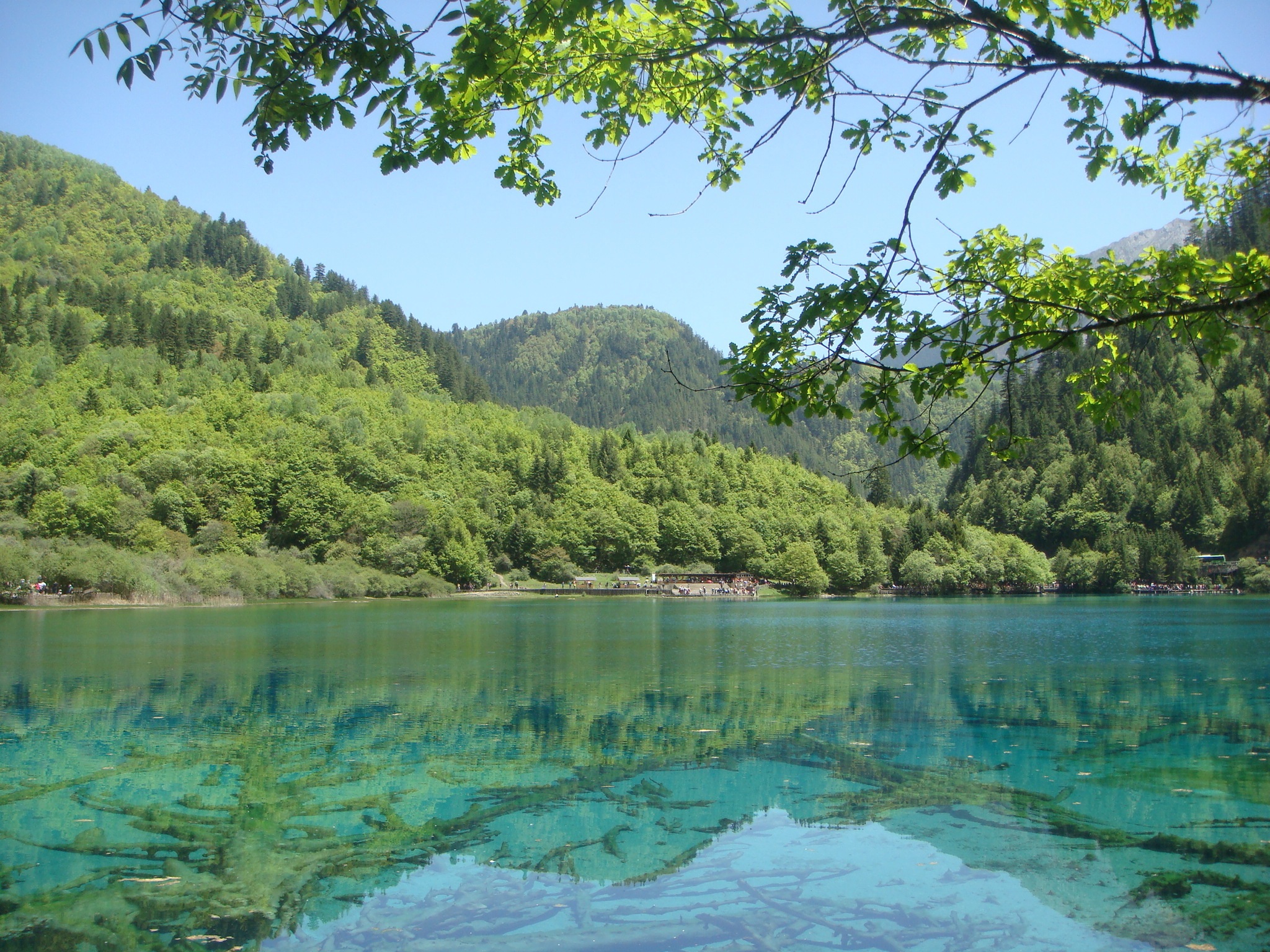
When people think about Himachal Pradesh, the first things that usually come to mind are snow-covered mountains, pine forests, cafés in Manali, and scenic road trips. But beyond the touristy towns and Instagram-famous valleys lies an entirely different side of Himachal — its deeply rooted local cuisine and offbeat villages where authentic mountain food still survives in its purest form.
The food culture of Himachal Pradesh is not just about taste. It is connected to climate, geography, agriculture, spirituality, and centuries-old traditions. Every valley in Himachal has its own flavor, cooking style, ingredients, and food stories passed down through generations.
At Sort My Trip, while planning offbeat Himachal journeys, we’ve realized that travelers today are no longer looking only for sightseeing. They want local experiences, hidden villages, authentic food, and stories that feel real. And Himachal delivers exactly that.
Why Himachal’s Local Cuisine is Different from the Rest of India
The cuisine of Himachal Pradesh evolved according to the harsh mountain climate and limited farming conditions. Unlike plains where wheat and rice dominate heavily, Himachali food uses ingredients that can survive cold weather and high altitudes.
Some of the major reasons why Himachali cuisine feels unique are:
1. Climate-Based Cooking
Cold temperatures require food that gives warmth and energy. This is why dishes are rich in ghee, lentils, fermented ingredients, and slow-cooked gravies.
2. Minimal Use of Heavy Masalas
Unlike North Indian restaurant-style food, authentic Himachali cuisine uses fewer spices. The focus is more on natural flavors, yogurt-based gravies, herbs, and locally grown ingredients.
3. Tribal & Tibetan Influence
Regions like Spiti, Kinnaur, and Lahaul have strong Tibetan and Buddhist influences. Foods like thukpa, momos, butter tea, and barley dishes became part of local life centuries ago.
4. Seasonal Food Culture
Most villages still follow seasonal cooking traditions. During winters, locals preserve vegetables, meat, and herbs naturally because snowfall can disconnect villages for weeks.
5. Temple & Festive Cuisine
Many famous Himachali dishes originated from temple feasts and local festivals. The best example is the traditional “Dham,” a celebratory meal prepared by special community cooks known as “Botis.”
Famous Authentic Dishes of Himachal Pradesh
Siddu – The Soul Food of Himachal
Siddu is one of the most loved dishes in Himachal Pradesh. It is a steamed wheat bun stuffed with ingredients like poppy seeds, walnuts, or lentils and served with ghee or dal.
You’ll mostly find authentic Siddu in villages around:
- Manali
- Tirthan Valley
- Jibhi
- Kullu villages
Unlike commercial cafés, village homes still prepare Siddu traditionally using wood-fire kitchens.
Himachali Dham – Traditional Festival Feast


Dham is not just food; it is an emotion in Himachal. It is served during weddings, temple ceremonies, and festivals on leaf plates while people sit together on the floor.
A traditional Dham usually includes:
- Madra
- Rajma
- Kadhi
- Sweet rice
- Sepu Vadi
- Boor ki kari
The best authentic Dham experiences are found in:
- Chamba villages
- Mandi district
- Kangra region
- Rural Kullu
Offbeat Locations in Himachal Famous for Rare Local Cuisine
1. Jibhi – Hidden Food Paradise of Tirthan Valley
Jibhi is no longer just a hidden village; it is becoming a slow-travel destination for travelers who love authentic mountain life.
The local food here is simple but soulful:
- Siddu with desi ghee
- Trout fish
- Local rajma
- Red rice
- Wild mint chutneys
Many homestays in Jibhi serve home-cooked Himachali meals prepared by local families. This is where travelers experience food that is impossible to find in city restaurants.
At Sort My Trip, Jibhi remains one of our most recommended destinations for couples and offbeat travelers.
2. Kalpa – Kinnauri Cuisine & Apple Valleys


Kalpa in Kinnaur district offers one of the rarest food cultures in Himachal. Due to its Indo-Tibetan influence, the cuisine here feels completely different.
Popular dishes include:
- Chilta
- Buckwheat rotis
- Ogla dishes
- Thukpa
- Chhang (local beverage)
The use of apricots, apples, walnuts, and barley makes Kinnauri cuisine highly distinctive.
3. Spiti Valley – Ancient Himalayan Food Culture


Spiti Valley is not just visually magical; its food culture is equally fascinating. Due to extreme weather conditions, locals rely on preserved foods and high-energy meals.
Must-try local dishes:
- Butter tea
- Thenthuk
- Barley soup
- Yak cheese
- Momos
- Sea buckthorn juice
The villages of Kaza, Langza, Dhankar, and Tabo still preserve ancient Himalayan cooking traditions.
4. Chitkul – India’s Last Village & Traditional Himalayan Food


Chitkul offers some of the most untouched local food experiences in Himachal Pradesh. The cold climate leads to hearty meals made using potatoes, barley, local herbs, and lentils.
Small village cafés here serve authentic home-style food instead of commercial tourist menus.
Why Travelers are Now Searching for Authentic Food Experiences
Modern travelers want experiences that feel real. They are moving away from crowded tourist spots and searching for:
- Local food
- Traditional homestays
- Cultural interactions
- Village life
- Organic farming experiences
This is exactly why offbeat Himachal destinations are growing rapidly.
At Sort My Trip, we carefully curate Himachal trips where travelers don’t just “visit” a place — they actually experience the culture through food, local stories, and hidden villages.
Best Time to Explore Himachal’s Food Trails
- March to June: Pleasant weather and fresh local produce
- September to November: Apple season and traditional harvest meals
- Winter Months: Best for hearty local dishes and snow village experiences
Final Thoughts
Himachal Pradesh is far more than just mountains and cafés. Its cuisine tells stories of survival, spirituality, festivals, and generations of mountain life.
The real Himachal exists beyond crowded tourist markets — in wooden village homes, traditional kitchens, monastery cafés, and hidden valleys where recipes are still cooked slowly over firewood.
Whether it’s tasting Siddu in Jibhi, enjoying Dham in a village celebration, sipping butter tea in Spiti, or discovering Kinnauri cuisine in Kalpa, every meal in Himachal becomes part of the journey itself.
And perhaps that is why travelers return from Himachal not just with photographs, but with memories of warmth, flavors, and experiences that feel deeply human.
If you’re planning to explore the authentic side of Himachal Pradesh, Sort My Trip can help you discover hidden villages, local food trails, offbeat stays, and personalized Himalayan experiences beyond the ordinary.